


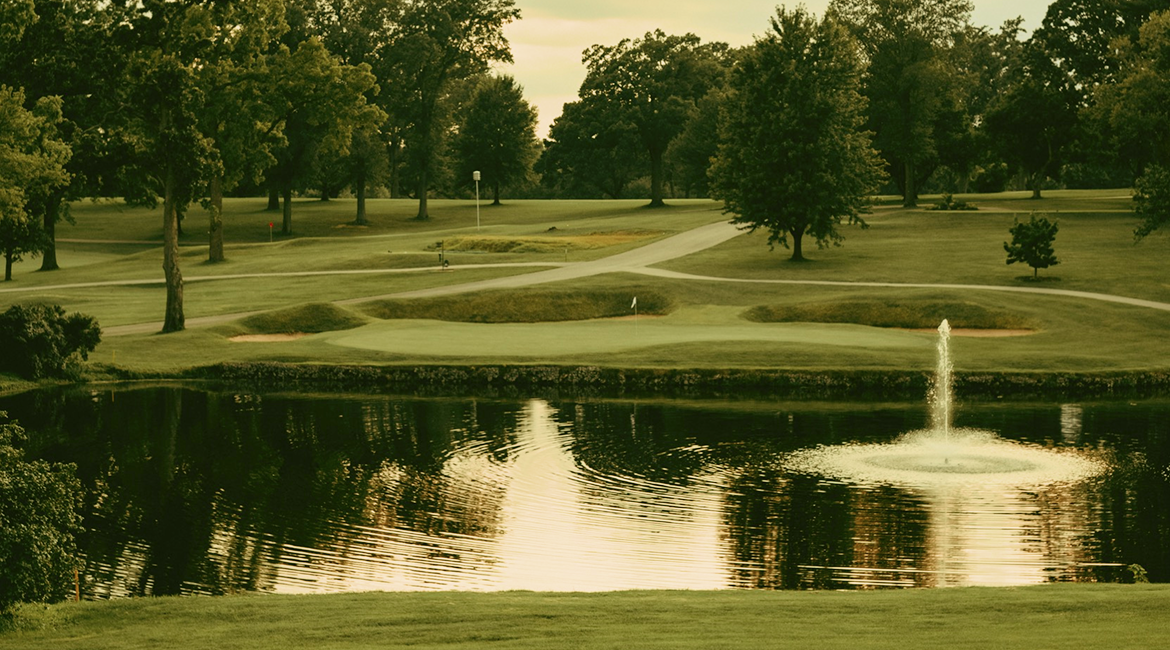
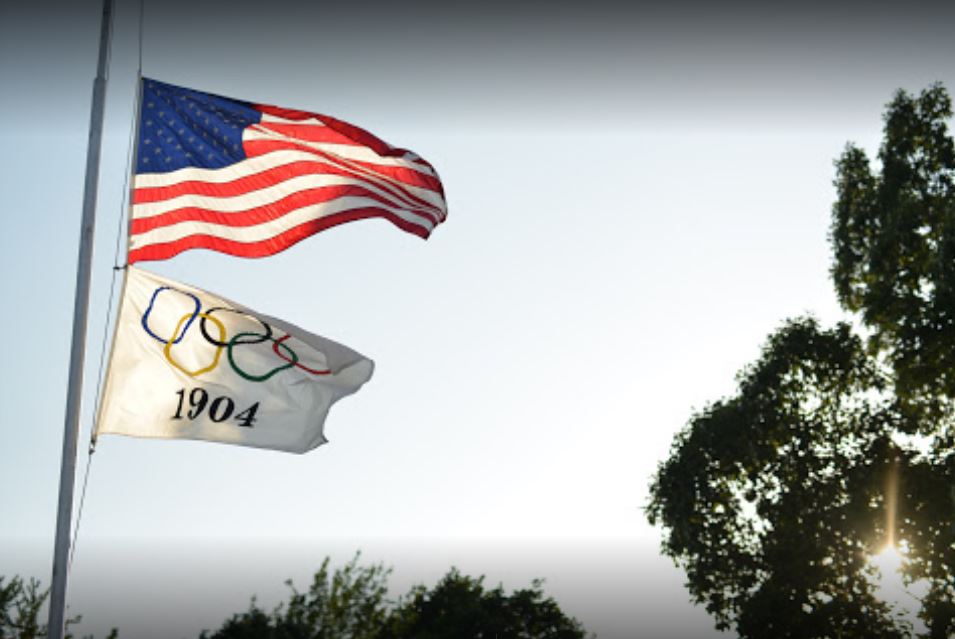
An Olympic flag is a pretty good hint that a golf course has a story. At Glen Echo Country Club in St. Louis, the five rings point back to 1904, when the club hosted Olympic golf just three years after opening. That is a fairly ambitious opening act.
The course has Scottish roots. Brothers Jim and Robert Foulis shaped Glen Echo, and Robert learned his craft in Old Tom Morris’ orbit at St. Andrews. The connection to golf’s beginnings runs deeper than a few clubhouse photographs.
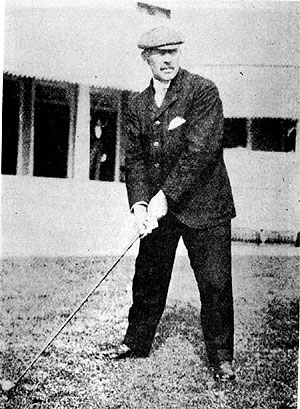
But the Olympic final supplies the best character: George Lyon, a 46-year-old Canadian facing 20-year-old Chandler Egan, the reigning U.S. Amateur champion. Lyon won, 3 and 2. At the celebration afterward, he reportedly walked on his hands to collect his prize. Your member-guest speech suddenly feels a little under-rehearsed.
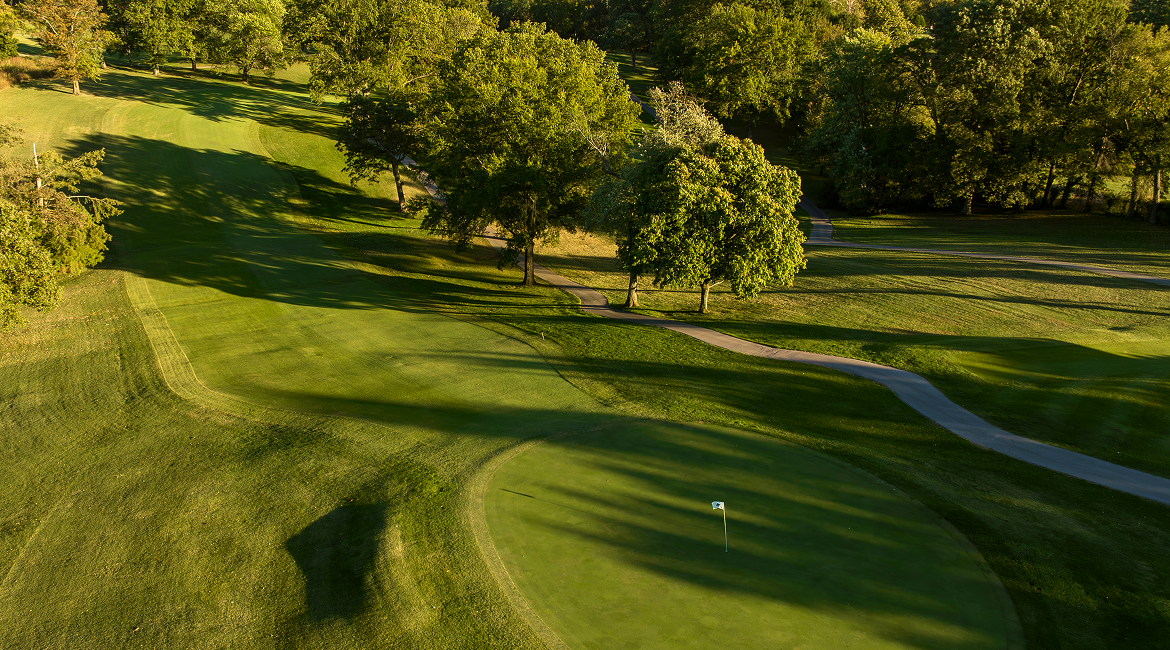
Glen Echo still keeps that history close. A replica gold medal sits inside the club, the Olympic flag flies outside, and the water that helped derail Egan’s final is remembered as Lake Egan. Some courses name their hazards. This one can explain who lost Olympic gold in one.
Golf would not return to the Games until Rio in 2016, a 112-year wait. Meanwhile, Glen Echo kept being a golf course. That is the appeal: a place where one of the game’s stranger, better stories still belongs to the landscape.